

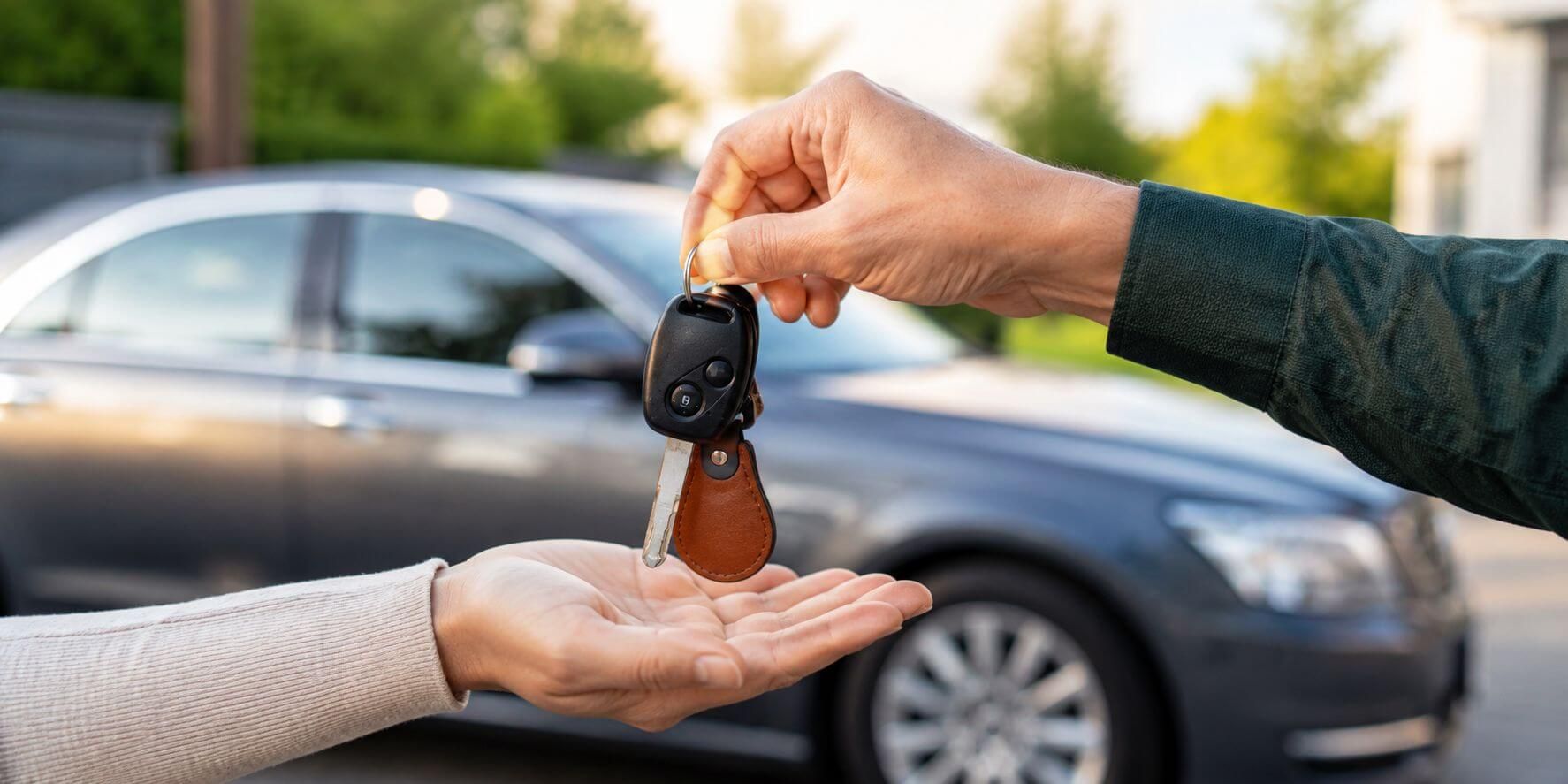
Selling your car privately can take more effort than trading it in, but it often gives you the best chance to get a stronger price. The key is to treat the sale like a serious transaction from the start. Buyers compare listings quickly, ask harder questions than before, and expect clean documentation, clear photos, and honest disclosures.
A successful private sale usually comes down to five things: presentation, pricing, documentation, safety, and patience. If you handle those well, you can attract better buyers, avoid common seller scams, and make the deal smoother from listing to title transfer.
1. Clean the Car Before You List It
First impressions matter. A clean vehicle photographs better, creates more buyer confidence, and helps justify your asking price.
Start with a full exterior wash, clean the wheels and tires, and remove clutter from the cabin and trunk. Vacuum the carpets, wipe down the dash and door panels, and clean the glass inside and out. If the car has odors, stains, or pet hair, address those before taking photos.
A clean car does not guarantee a sale, but it signals that the vehicle has been cared for. Buyers often use appearance as a shortcut when judging whether the rest of the car has been maintained properly.
2. Price It Realistically
Pricing is one of the biggest factors in whether your listing gets serious inquiries or gets ignored.
If the asking price is too high, many buyers will skip the listing without even contacting you. If it is too low, the car may attract suspicion or draw in only bargain hunters looking for desperation. The best approach is to compare similar vehicles in your local market by year, mileage, trim, condition, and accident history.
This is where vehicle data helps. Before listing the car, review how similar vehicles are positioned and consider pulling a vehicle history report so you understand how title history, mileage, or prior damage could affect buyer expectations. If your car has a clean history, that can support your asking price. If it has issues, pricing honestly from the start will save time later.
It also helps to decide in advance on your lowest acceptable number. That way, you can negotiate without guessing under pressure.
3. Gather the Paperwork Early
One of the easiest ways to lose a buyer is to wait until the last minute to organize the title and related documents.
Before you publish the listing, make sure you have the title, registration details, maintenance records, loan payoff information if applicable, and any bill-of-sale forms required in your state. DMV title-transfer rules vary by state, but sellers generally need a properly assigned title and, in some states, an odometer disclosure and bill of sale. (dmv.org)
If your vehicle still has a lien, be upfront about it. Buyers are more comfortable when the seller clearly explains how the payoff and title release will be handled.
You can also strengthen the listing by having a VIN check ready or pointing serious buyers to a license plate lookup option so they can verify the vehicle independently.
4. Take Better Photos and Write a Stronger Listing
Good photos can do a lot of the selling before a buyer ever contacts you.
Take pictures in daylight and show the car from multiple angles: front, rear, both sides, interior, wheels, dashboard, seats, cargo area, engine bay, and VIN sticker if appropriate. Include close-ups of any dents, scratches, or cosmetic flaws. Honest photos build credibility and reduce wasted time with buyers who show up expecting something different.
Your description should also be complete and direct. Include the year, make, model, trim, mileage, title status, service history highlights, recent repairs, standout features, and any known issues. Avoid vague phrases that make the car sound generic. Buyers respond better when the listing sounds transparent and specific.
5. Screen Buyers Before You Meet
Not every inquiry is worth your time. Some people are only browsing, some will lowball immediately, and some may be trying to scam you.
Before scheduling a meeting, ask a few basic questions. Confirm that the buyer understands the asking price range, payment expectations, and vehicle location. If someone refuses to speak clearly, pushes strange payment methods, or asks you to buy a report from a specific unknown site, be cautious. The FTC has warned sellers about vehicle-history-report scams where fake buyers pressure the seller to purchase a report from a sham website. (consumer.ftc.gov)
A real buyer may ask thoughtful questions about history, condition, or service records. A scammer usually tries to rush the process or redirect it.
6. Meet Safely and Manage the Test Drive Carefully
Always meet in a safe, public location during daylight if possible. Bring someone with you or make sure another person knows exactly where you are meeting and with whom.
Before any test drive, ask to see the buyer’s driver’s license and verify that they are legally allowed to drive. Ride along during the test drive and keep the route and time short. Do not hand over the keys for an unsupervised drive.
If the buyer wants the vehicle inspected by a mechanic, that is usually a good sign. Serious buyers often want a pre-purchase inspection, and allowing one can help close the sale more smoothly.
7. Be Ready to Negotiate Without Looking Desperate
Most private buyers will negotiate. That does not mean your price is wrong. It just means you should be prepared.
Know the strengths of your car before you meet. Clean title, regular maintenance, recent tires, strong cosmetic condition, and verified history can all support your number. If the buyer points out flaws you already considered in the asking price, say so calmly. The goal is not to “win” the conversation. The goal is to show that your number is informed and reasonable.
What matters most is staying consistent. If you seem uncertain, buyers may push harder.
8. Watch Out for Payment Scams
Private sellers are common scam targets, especially online.
The FTC warns that fake check scams remain common and specifically notes a version targeting online car sellers. A buyer may send a check, often for more than the agreed price, then ask you to refund the difference or send part of the money elsewhere. The bank may initially make funds appear available, but if the check later turns out to be fake, you are responsible for the loss. (consumer.ftc.gov)
As a rule:
- do not accept overpayments
- do not refund money from a check before it fully clears
- do not wire money back to a buyer
- do not accept gift cards or unusual payment arrangements
- be cautious with cashier’s checks unless you verify them properly
Clear, secure payment terms should be part of the deal from the beginning.
9. Close the Sale Properly
Once you have a buyer, finish the transaction carefully. Sign the title exactly as your state requires, complete the bill of sale, record the mileage if required, and provide copies for both parties. Remove personal items from the vehicle and make sure you understand your state’s notice-of-sale or release-of-liability process.
This is also the time to hand over maintenance receipts, spare keys, manuals, and any service records. Those details reassure the buyer and reduce the chance of future disputes.
Final Takeaway
Selling a privately owned car is not just about posting a listing and waiting for a buyer. The strongest private sellers prepare the vehicle, price it with the market in mind, organize paperwork in advance, screen buyers carefully, and stay alert to common scams.
If you make the process easy for serious buyers and difficult for dishonest ones, you improve your chances of selling faster and at a fairer price.
Frequently Asked Questions
Is it better to sell a car privately or trade it in?
Selling privately usually takes more effort, but it often results in a higher sale price than trading the car in.
What documents do I need to sell my car privately?
That depends on your state, but common documents include the title, bill of sale, odometer disclosure if required, maintenance records, and any lien payoff information. (dmv.org)
How should I price my used car for a private sale?
Compare similar local listings by year, mileage, trim, condition, and title history. Then decide on an asking price with some room for negotiation.
What is the safest payment method when selling a car privately?
The safest method depends on the situation, but sellers should be very cautious with checks, overpayments, wire requests, and unusual payment setups. The FTC warns that fake check scams often target online car sellers. (consumer.ftc.gov)
Should I let a buyer test drive the car alone?
That is usually not the safest approach. It is better to verify the driver’s license, ride along, and keep the route controlled.