

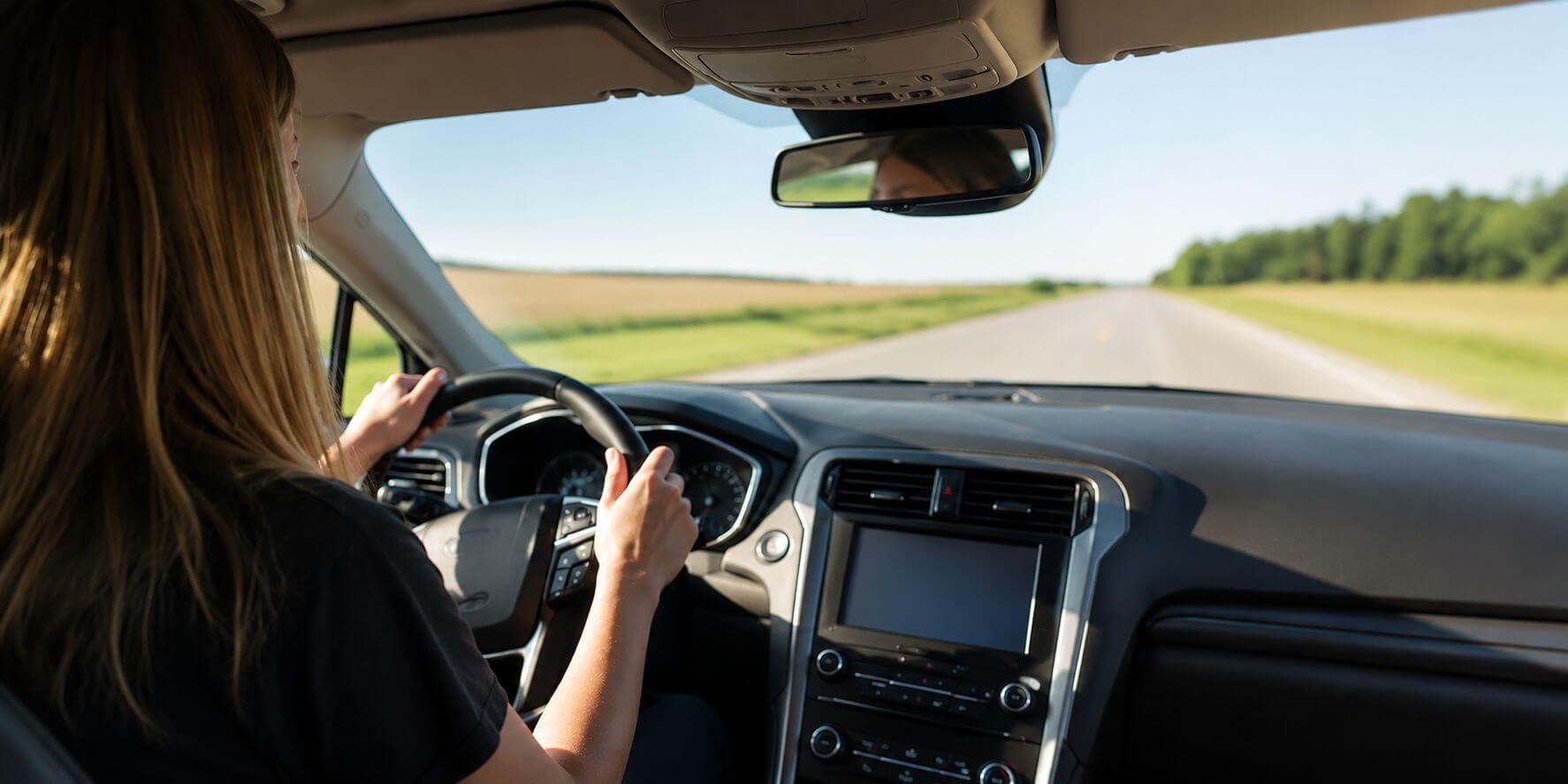
A test drive is one of the most important steps in buying a used car. Photos can hide problems, and even a clean vehicle history does not tell you how the car actually feels on the road. A proper test drive helps you check comfort, visibility, braking, steering, acceleration, transmission behavior, suspension noise, and how the vehicle responds in real driving conditions.
The goal is not just to see whether the car moves. It is to find out whether it feels safe, behaves normally, and suits your needs before you commit. The FTC also recommends getting a vehicle history report and an independent mechanic inspection because a test drive alone is not enough to uncover every issue. (consumer.ftc.gov)
Before You Drive
Before starting the car, take a few minutes to get familiar with it.
Adjust the driver’s seat, steering wheel, and mirrors until you are comfortable. Make sure you can reach the pedals easily and that your view through the windshield and side mirrors is clear. This is also a good time to look around the cabin and get a feel for overall condition. Excessive wear on the steering wheel, pedals, seat bolsters, and controls can sometimes suggest harder use than the odometer reading implies.
Test the basics before moving:
- adjust the seat and mirrors
- check the horn, windows, locks, lights, and wipers
- turn on the air conditioning and heater
- inspect the dashboard for warning lights
- ask about airbags, safety features, and driver-assistance systems if equipped
When you start the engine, pay attention to how it behaves at idle. A healthy engine should start cleanly and idle without excessive shaking, knocking, coughing, or smoke. Warning lights should illuminate briefly and then go out. If a check-engine light or other warning stays on, ask about it immediately.
Before driving off, it is also smart to confirm the VIN and review the vehicle’s background through a VIN check and a recall search or VIN-based recall tool, especially if the seller is not offering much service history.
While Driving
A good test drive should cover more than a quick loop around the block. Try to drive on local streets and, if possible, at moderate road speeds so you can observe the vehicle in different conditions.
Check acceleration and engine response
As you pull away, the car should accelerate smoothly without hesitation, surging, or excessive vibration. Pay attention to how the engine sounds at low speeds and as speed increases.
Check transmission behavior
The transmission should shift smoothly. In an automatic, watch for delayed engagement, hard shifts, slipping, or unusual whining or clunking. In a manual, the clutch should engage smoothly and the shifter should not feel excessively loose, stiff, or notchy.
Check steering and alignment
The steering should feel stable and predictable. The vehicle should not drift strongly to one side on a straight, level road. If the steering wheel shakes at speed, that may point to tire, wheel-balance, suspension, or alignment issues.
A safer note here: do not fully let go of the steering wheel just to see if the car tracks straight. Keep control of the vehicle and instead notice whether it consistently pulls while you are holding the wheel.
Check braking
Test the brakes gently at first, then a little more firmly when safe. The car should slow down smoothly without grinding, strong vibration, pulling, or a soft pedal feel.
Check suspension and ride quality
Drive over normal road imperfections and mild bumps if possible. Listen for clunks, rattles, squeaks, or knocks from the suspension. Harsh impacts, excessive bouncing, or noise during turns can point to worn suspension components.
Check comfort and controls
During the drive, test practical features that matter:
- turn signals
- infotainment and sound system
- backup camera if equipped
- cruise control if safe to test
- mirror controls
- climate system under actual operation
Take notes while the experience is still fresh. Small things are easy to forget once you start negotiating.
After the Test Drive
Do not end the inspection the second the car is parked.
Leave the engine running for a moment and pay attention to idle quality after the drive. Then look under the hood and around the vehicle. You are checking for anything that became obvious once the engine warmed up.
Look for:
- smoke or strong burning smells
- fresh leaks under the vehicle
- coolant, oil, or other fluid seepage
- overheating signs
- unusual fan noise
- warning lights that appeared after driving
You can also take a closer look at the tires again. Uneven wear, damaged sidewalls, or loose-feeling components should raise questions, but do not try to forcefully wiggle parts in a risky or improvised way. If something feels off, that is a sign to involve a professional mechanic.
When to Bring in a Mechanic
A test drive is essential, but it is not a full diagnosis. The FTC says a vehicle history report is not a substitute for an independent vehicle inspection, and the same is true of a test drive. A mechanic may find fluid leaks, suspension wear, frame issues, or engine problems that are easy to miss during a short drive. (consumer.ftc.gov)
If you like the car but still have doubts, ask for a pre-purchase inspection. A seller who refuses a reasonable inspection request may be giving you a reason to walk away.
A Simple Used Car Test Drive Checklist
Here is a practical checklist you can follow:
Before driving
- confirm seat, mirror, and steering-wheel adjustments
- check warning lights at startup
- test windows, locks, lights, wipers, and climate controls
- listen to engine idle
- review VIN and vehicle history
During driving
- test acceleration
- observe transmission shifts
- check steering feel and straight-line behavior
- test brakes
- listen for suspension noise
- check comfort, visibility, and electronics
After driving
- inspect for leaks
- look for smoke or strong odors
- recheck warning lights
- note anything unusual for negotiation or mechanic review
Final Takeaway
A proper used car test drive should tell you more than whether the car simply runs. It should help you understand how the vehicle behaves under real conditions, whether it feels safe and comfortable, and whether there are warning signs that deserve a closer look.
Take your time, drive in more than one setting if possible, and do not rely on the test drive alone. Combine it with a vehicle history report, a recall check, and an independent mechanic inspection so you can make a more confident decision.
Frequently Asked Questions
How long should a used car test drive be?
Long enough to evaluate the car in more than one condition. A quick trip around the block is usually not enough. Local streets and moderate-speed roads give a better sense of how the vehicle behaves.
What should I check first during a test drive?
Start with comfort, visibility, warning lights, engine idle, and basic controls before moving. Once you start driving, focus on braking, steering, shifting, acceleration, and suspension noise.
Should I let go of the steering wheel to test alignment?
No. Keep control of the vehicle. A safer approach is to notice whether the car consistently pulls to one side while you are holding the wheel normally.
Is a test drive enough before buying a used car?
No. A test drive is important, but the FTC recommends combining it with a vehicle history report and an independent mechanic inspection. (consumer.ftc.gov)
Should I check recalls before buying a used car?
Yes. NHTSA recommends checking for open recalls using the VIN. (nhtsa.gov)