

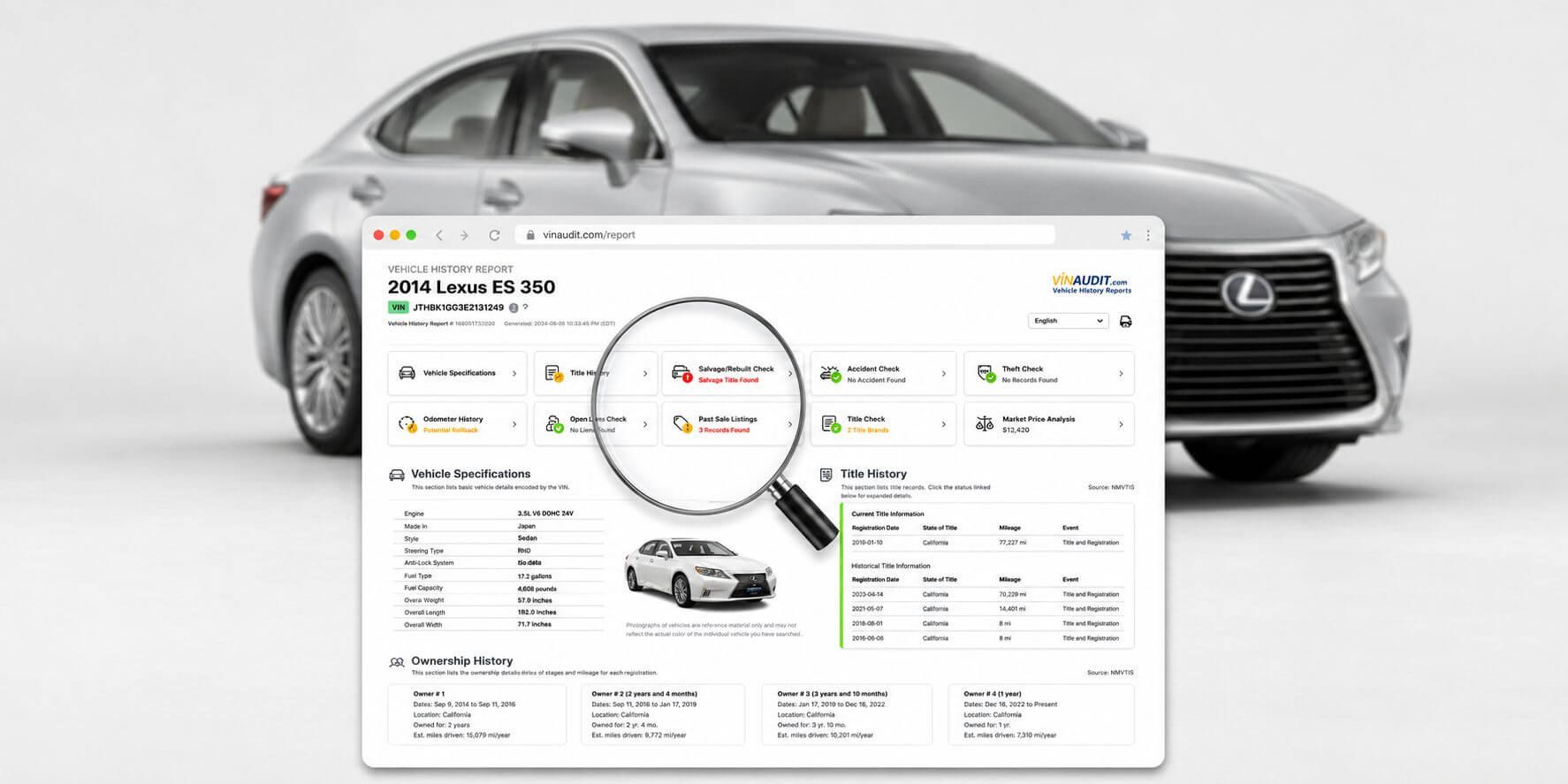
Running a VIN check is a smart first step when buying a used car. But getting the report is only half the job. The more important part is knowing how to read it.
A lot of buyers make the same mistake: they look for a single obvious problem, such as a salvage title or theft record, and if they do not see one, they assume the car is fine. That is not how a VIN report should be used. The real value is in reading the full picture carefully and spotting patterns that may signal risk.
This guide explains how to read a VIN check report without missing red flags, which sections matter most, what warning signs deserve extra caution, and how to use the report together with inspection and paperwork review.
Quick Answer
To read a VIN check report properly, focus on these areas first:
- vehicle identity details
- title brands and title history
- accident or damage records
- theft records
- mileage history
- recall status
- ownership and registration clues
- anything that does not match the seller’s story
The biggest mistake is reading each section in isolation. A VIN check report is most useful when you connect the details and look for inconsistencies, gaps, or patterns that deserve more questions.
Start With the Basics: Does the Vehicle Identity Match?
Before looking for major red flags, confirm that the report matches the actual vehicle.
Check whether the report matches the car’s:
- year
- make
- model
- trim
- body style
- engine information
If those basic details do not line up with the seller’s listing, the title, or the vehicle in front of you, stop and find out why. A mismatch does not always mean fraud, but it is never something to ignore.
This is one reason buyers start with a VIN check. It gives you a baseline for the vehicle’s identity before you spend too much time on the deal.
Look Closely at the Title History
Title history is one of the first sections that should get your full attention.
This is where you may see brands such as:
- salvage
- rebuilt
- junk
- flood
- lemon or buyback in some cases
A branded title is one of the clearest red flags in a VIN report because it can affect safety, insurability, financing, and resale value.
That does not mean every branded-title vehicle is automatically a bad buy. But it does mean the car deserves much more scrutiny, a lower price, and a careful independent inspection.
If the seller describes the car as “clean” but the report shows a title issue, that is a major trust problem.
Read Accident and Damage Records With Context
If the report shows accident or damage history, do not stop at the headline.
Ask yourself:
- how serious was the damage likely to be
- how many times was damage reported
- does the seller acknowledge it
- does the car’s current condition support the story being told
Some used cars with prior damage are repaired well and remain reasonable buys. Others carry lasting structural or resale concerns. The report may not always show the full severity, which is why the safest next step is to combine the report with a physical inspection and, ideally, a mechanic or body-shop review.
The red flag is not just that damage happened. The red flag is when the seller hides it, downplays it, or the vehicle condition does not match the record.
Pay Special Attention to Mileage History
Mileage problems are easy to miss if you only look at the current odometer reading.
A VIN check report may include recorded mileage entries from titles, inspections, service events, or other sources. What you want is a pattern that makes sense over time.
Look for:
- mileage that moves backward
- sudden jumps that do not fit normal use
- entries that look inconsistent with the age of the vehicle
- a low current odometer reading that conflicts with prior records
A possible rollback or suspicious mileage pattern is one of the most important red flags in any used-car transaction because mileage influences both price and maintenance expectations.
Check Theft Status Carefully
A theft-related record deserves immediate attention.
If the report shows the vehicle was reported stolen, recovered, or linked to theft-related activity, slow down and verify the current status before going further. You do not want to buy a car with unresolved ownership issues or unclear title status.
If you are screening listings before getting the full VIN, a license plate lookup can sometimes help you start narrowing things down before you move into deeper history research.
Do Not Ignore Open Recalls
A recall section is easy to skim, but it matters more than many buyers realize.
An open recall means the vehicle may still need a manufacturer repair related to safety. Some recalls are manageable. Others involve serious systems like airbags, brakes, steering, or fire risk.
The report should prompt you to ask:
- is the recall still open
- what system is affected
- has the seller already completed the repair
- is there proof that the repair was done
A recall is not always a dealbreaker, but it should never be treated like background noise.
Watch for Patterns in Ownership and Title Activity
A single ownership or registration change is usually not a problem. But patterns can matter.
For example, you may want to pay closer attention when you see:
- frequent title changes in a short period
- title movement that seems unusual for the seller’s story
- changes that raise questions about where the car has been registered or how it moved through the market
The goal is not to assume every ownership change is suspicious. The goal is to notice when the pattern feels inconsistent and deserves an explanation.
Compare the Report With the Seller’s Story
One of the best ways to find red flags is to compare the VIN report with what the seller told you.
Pay attention when:
- the seller says the car has never been damaged but the report shows an accident record
- the seller says the title is clean but the report shows a brand
- the mileage story does not fit the recorded entries
- the seller claims a recall was repaired but provides no proof
A VIN report is not just a data sheet. It is a fact-checking tool.
Understand That a Clean Report Is Not the Same as a Perfect Car
This is one of the most important points.
A clean-looking VIN report does not guarantee there are no issues. Some accidents, repairs, flood events, or mechanical problems may never appear in the available records. That is why you should never use a VIN report as your only decision tool.
A report helps you spot known or reported issues. It does not replace:
- a test drive
- title and paperwork review
- a pre-purchase inspection
- your judgment about the seller and the car’s condition
The Biggest Red Flags Buyers Miss
Here are some of the most commonly missed warning signs in a VIN check report:
1. Small inconsistencies that add up
A single odd detail may not seem major, but several small inconsistencies together can point to a bigger problem.
2. Report language that sounds neutral but still matters
Buyers sometimes overlook sections because the wording does not sound dramatic. But even a simple notation about a title issue, mileage inconsistency, or open recall can be important.
3. Focusing only on accidents
Accident history matters, but it is not the only red flag. Title brands, theft issues, mileage problems, and recall status can be just as important.
4. Ignoring what is missing
If the seller makes big claims but cannot support them with records, that absence matters too.
A Simple Way to Read the Report in Order
If you want a practical reading process, use this order:
- confirm vehicle identity
- check title brands and title history
- review accident or damage records
- review theft status
- check mileage history carefully
- review recall status
- compare everything with the seller’s explanation
- decide what needs follow-up before moving forward
This helps you avoid jumping straight to one section and missing the bigger picture.
Final Takeaway
A VIN check report is one of the most useful tools in the used-car buying process, but only if you know how to read it properly.
The best approach is to look beyond the obvious and read for patterns. Check the vehicle identity, title history, accident records, mileage, theft status, recalls, and anything that does not match the seller’s story. Then use those findings to decide what needs more investigation.
A VIN report should make you a more informed buyer, not just a more reassured one.
Frequently Asked Questions
What is the first thing I should check in a VIN report?
Start with the vehicle identity details to make sure the report matches the actual car and the seller’s paperwork.
What is the biggest red flag in a VIN check report?
There is not just one, but major title brands, mileage inconsistencies, theft records, and accident history that does not match the seller’s story are among the biggest warning signs.
Does a clean VIN report mean the car is safe to buy?
No. A clean report is helpful, but it does not guarantee there are no hidden problems. You still need a test drive, paperwork review, and an independent inspection.
Should I avoid any car with an accident record?
Not automatically. Some vehicles with prior damage may still be worth considering, but they should be inspected more carefully and priced appropriately.
Why is mileage history so important in a VIN report?
Because inconsistent mileage can point to odometer fraud or reporting problems, both of which can affect value and risk.