

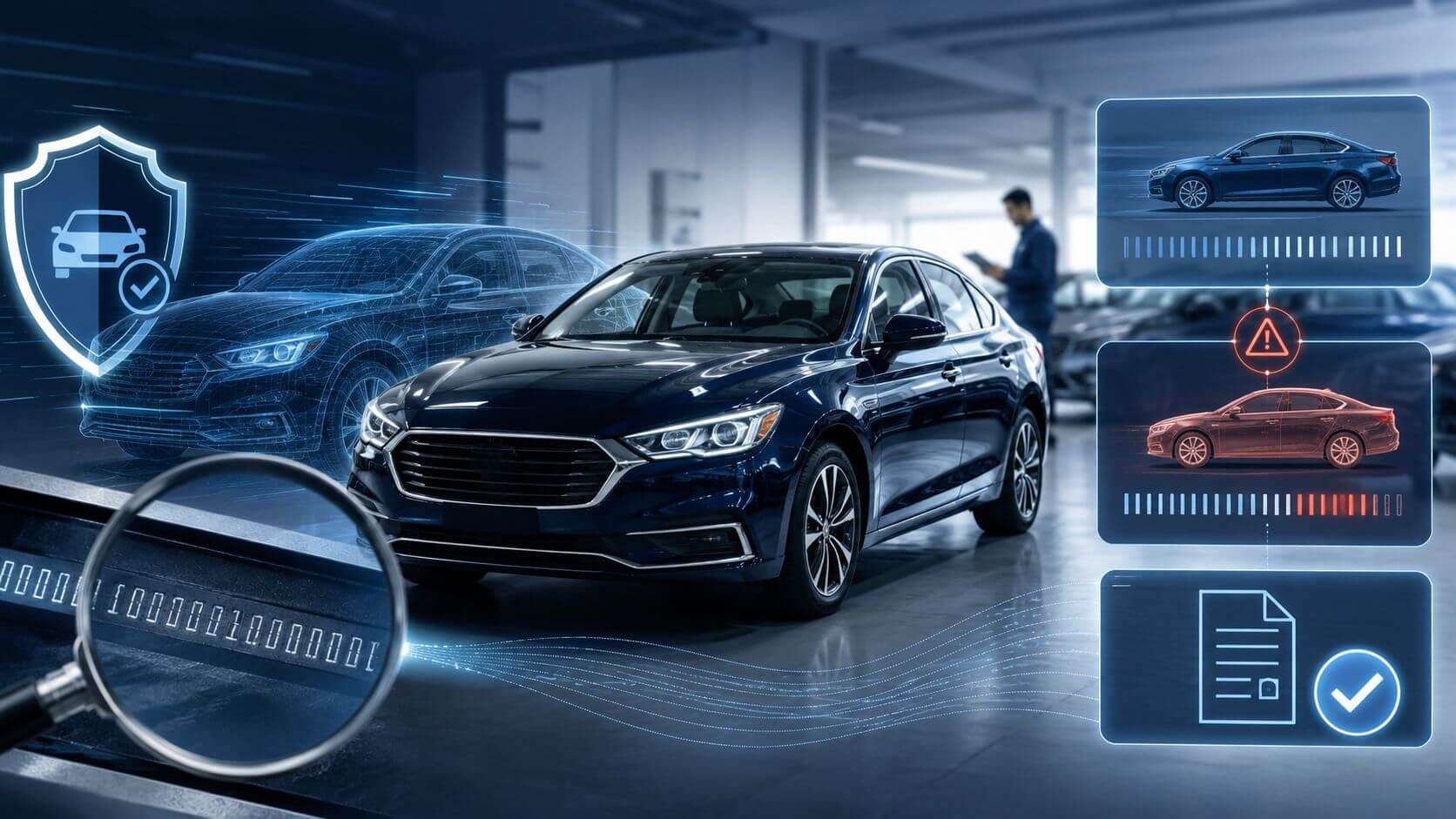
A used car can look clean, drive well, and come with documents that appear normal. But if the vehicle’s identity has been manipulated, the buyer may still be walking into a serious problem.
One of the most concerning forms of used car fraud is VIN cloning. It happens when the identity of one vehicle is copied or misused to disguise another vehicle. In many cases, the goal is to make a stolen, salvaged, or otherwise problematic car look like a legitimate vehicle.
For buyers, VIN cloning is dangerous because it can hide theft, title problems, ownership disputes, and registration issues. You may pay for a vehicle in good faith, only to later discover that the VIN does not truly belong to the car in front of you.
This guide explains what VIN cloning is, why it happens, the warning signs to watch for, and how to protect yourself before buying a used vehicle.
What Is VIN Cloning?
A Vehicle Identification Number, or VIN, is a unique 17-character code assigned to a vehicle. It identifies the vehicle’s manufacturer, year, model, body type, engine, assembly details, and other important information.
VIN cloning occurs when a vehicle’s identity is copied or misrepresented. In simple terms, the VIN from one vehicle may be used to make another vehicle appear legitimate.
This can create a confusing situation. A stolen car may appear to have a clean identity. A vehicle with a bad history may be presented as if it belongs to a different car. A buyer may see documents, plates, or online listing details that seem convincing at first glance.
The key problem is that the paperwork and the physical vehicle may not tell the same story.
Why VIN Cloning Happens
VIN cloning is usually connected to fraud. The purpose is often to make a vehicle easier to sell, register, insure, or move across state lines.
A cloned identity may be used to hide:
- Theft history
- Salvage or junk records
- Title brands
- Odometer problems
- Prior severe damage
- Ownership disputes
- Registration issues
- Vehicles that should not be legally sold in their current condition
For a buyer, the risk is serious. If the vehicle is later identified as stolen, law enforcement may seize it. In that situation, the buyer may lose both the car and the money paid for it.
That is why a low price, rushed sale, or incomplete documentation should never be ignored.
How Stolen Vehicle Identities Can End Up on Used Cars
It is important to understand VIN cloning at a high level without treating it as a how-to. The basic idea is that a vehicle’s identity can be made to appear different from what it really is.
A dishonest seller may present a used car with documents that seem to match a VIN. The plate, registration, title, online listing, and vehicle details may appear normal at first. But when the VIN is checked more carefully, the information may not line up with the vehicle’s true make, model, trim, year, location, or history.
In some cases, the same VIN may appear connected to more than one vehicle. In other cases, the VIN may point to a clean vehicle while the physical car shows signs of tampering, prior damage, or inconsistent records.
This is why buyers should never rely on only one document or one seller-provided photo. The VIN should be checked directly from the vehicle, compared across multiple locations, and reviewed against vehicle records.
Common Warning Signs of VIN Cloning
VIN cloning can be difficult to detect, but there are warning signs that should make you slow down.
Watch for:
- A price that seems too good for the year, mileage, and condition
- A seller who refuses to meet at a safe public location
- A seller who avoids showing the title in person
- A VIN plate that looks scratched, loose, replaced, painted over, or altered
- A dashboard VIN that does not match the door jamb sticker
- A VIN that does not match the title, registration, or insurance documents
- A license plate that does not seem to match the vehicle description
- A seller who pressures you to buy quickly
- A vehicle recently moved from another state with limited explanation
- A title that looks recently issued for an older vehicle
- Inconsistent mileage across documents or service records
- Vehicle features that do not match the decoded VIN
One red flag does not always prove fraud. But several red flags together should be treated seriously.
Step 1: Check the VIN in More Than One Place
Do not copy the VIN only from the online listing. Sellers can mistype a VIN, and dishonest sellers can intentionally provide a different one.
Before buying, locate the VIN directly on the vehicle. For most passenger cars, common VIN locations include the driver-side dashboard near the windshield and the driver-side door jamb. The VIN may also appear on the title, registration, insurance card, service records, and other documents.
Make sure the VIN matches across all available sources.
If the dashboard VIN, door jamb sticker, title, and registration do not match, do not proceed until the mismatch is explained and verified. A seller’s verbal reassurance is not enough.
Step 2: Decode the VIN and Compare the Vehicle Details
A VIN should describe the vehicle in front of you. Use a VIN decoder to confirm the year, make, model, body style, engine, and other basic details.
Then compare those details with the actual vehicle.
For example:
- Does the VIN decode to the same make and model?
- Does the model year match the listing and title?
- Does the body style match?
- Does the engine or trim appear consistent?
- Does the vehicle type match?
- Does the country or plant information make sense?
If the VIN decodes to a different vehicle type or model, pause immediately. It may be a simple listing error, but it may also be a sign that the identity does not belong to the vehicle being sold.
Step 3: Run a VIN Check Before You Buy
A VIN decoder confirms basic identity. A vehicle history report goes further by checking records tied to that VIN.
Before handing over payment, run a VIN check to look for title history, theft records, salvage or rebuild records, title brands, odometer readings, liens, past sale listings, and other available records.
This matters because a cloned VIN may be used to hide a vehicle’s real background. A history report can help you spot inconsistencies, such as unusual title movement, mileage gaps, state-to-state activity, or records that do not fit the seller’s story.
A clean-looking car is not the same as a clean-history car.
Step 4: Use License Plate Lookup When the Plate and VIN Story Feels Off
A license plate can provide another useful cross-check, especially when the VIN is not available early in the shopping process or when the seller’s details seem inconsistent.
A license plate lookup can help connect a plate number and state to vehicle information and history details. This is useful if the listing shows a plate, the seller gives you a plate number, or you want to compare plate-based details against the VIN-based report.
Be cautious if:
- The plate lookup points to a different vehicle
- The state of registration does not match the seller’s explanation
- The plate appears recently changed without a clear reason
- The plate, VIN, and title details do not line up
- The seller refuses to provide the state tied to the plate
Plate mismatches can happen for innocent reasons, such as a recently transferred plate or listing mistake. But in a fraud scenario, mismatched plate and VIN details can be an important warning sign.
Step 5: Check Stolen Vehicle Records
Because VIN cloning is often tied to stolen vehicles, stolen-record checks should be part of your process.
VinAudit’s stolen vehicle database resource explains that buyers can check stolen vehicle records through tools such as NICB VINCheck, state-level databases, and full vehicle history reports.
You can also use the National Insurance Crime Bureau’s VINCheck, a free public tool that checks participating insurer theft and salvage records. NICB also notes that VINCheck is not a complete vehicle history report, so it should be used as one part of a broader due diligence process.
That point is important. A single free stolen-vehicle search may not show every possible issue. Use multiple sources when the vehicle is expensive, the seller is unknown, or anything feels suspicious.
Step 6: Review the Title Carefully
The title is one of the most important documents in a used car purchase. Make sure the seller’s name matches the title, unless you are buying from a licensed dealer or a properly documented business.
Be cautious with:
- Missing titles
- Duplicate titles
- Out-of-state titles with no clear explanation
- Titles issued very recently
- Seller name not matching the title
- Erasures, corrections, or suspicious printing
- “Open title” situations where the seller has not transferred ownership
- Pressure to complete the sale before title issues are resolved
If the seller says the title is “coming later,” “lost,” “with the bank,” or “not needed,” slow down. Those explanations may be legitimate in some cases, but they need proof.
Do not rely on a bill of sale alone for a vehicle that should have a valid title.
Step 7: Meet Safely and Verify Before Paying
The way the seller handles the transaction can reveal a lot.
A legitimate seller should be willing to provide the VIN, show the title, allow a reasonable inspection, meet in a safe location, and answer normal questions about the vehicle’s history.
Be careful if the seller:
- Wants only cash
- Refuses a pre-purchase inspection
- Avoids showing ID
- Will not let you inspect the VIN locations
- Pushes for a quick sale
- Offers excuses for mismatched documents
- Says the price is only good “today”
- Wants to meet somewhere unusual or unsafe
A careful buyer should not feel rushed. If the seller pressures you for immediate payment before you can check the VIN, history, title, and plate details, walking away may be the safest choice.
What to Do If You Suspect VIN Cloning
If something does not add up, do not confront the seller aggressively or continue negotiating as if it is just a small issue.
Instead:
- Stop the transaction.
- Save screenshots of the listing and messages.
- Do not send more money.
- Avoid driving the vehicle if you believe it may be stolen.
- Contact local law enforcement or the appropriate motor vehicle agency.
- Report suspected fraud through the platform where the vehicle was listed.
- Keep copies of all documents and communications.
If you already bought the vehicle and later suspect VIN cloning, contact law enforcement and your state motor vehicle agency as soon as possible. You may also need legal advice depending on your situation.
Final Takeaway
VIN cloning is one of the reasons used car buyers should never rely only on photos, seller claims, or basic paperwork. A vehicle’s identity should be checked from multiple angles before money changes hands.
Start by comparing the VIN across the dashboard, door jamb, title, registration, and listing. Decode the VIN to confirm the vehicle’s basic details. Then run a full VIN check, compare license plate information, and search stolen vehicle records when needed.
The more the story lines up, the more confidence you can have. The more it falls apart, the more reason you have to pause.
Before buying any used vehicle, take a few extra minutes to verify the VIN. It can protect you from losing money, buying a stolen car, or inheriting a problem that the seller was trying to hide.
FAQs
What is VIN cloning?
VIN cloning is a type of vehicle fraud where a vehicle identity is copied or misused to make another vehicle appear legitimate. It is often used to hide theft, title problems, salvage history, or other serious issues.
How can I tell if a VIN has been cloned?
Look for mismatched VINs across the vehicle and documents, inconsistent title or registration details, strange vehicle history, plate mismatches, signs of VIN tampering, and seller behavior that feels rushed or evasive.
Can a VIN check detect VIN cloning?
A VIN check can help reveal warning signs such as title history issues, theft records, salvage records, odometer inconsistencies, and unusual activity. It may not prove cloning by itself, but it can help you decide whether to investigate further.
Should I use a license plate lookup too?
Yes, especially if the VIN, plate, title, or seller story does not line up. Plate lookup can provide another way to compare vehicle details and identify inconsistencies before buying.
What happens if I unknowingly buy a stolen vehicle?
If the vehicle is confirmed stolen, it may be seized by law enforcement. You could lose the vehicle and the money you paid, even if you did not know it was stolen. That is why checking the VIN and stolen vehicle records before purchase is so important.