

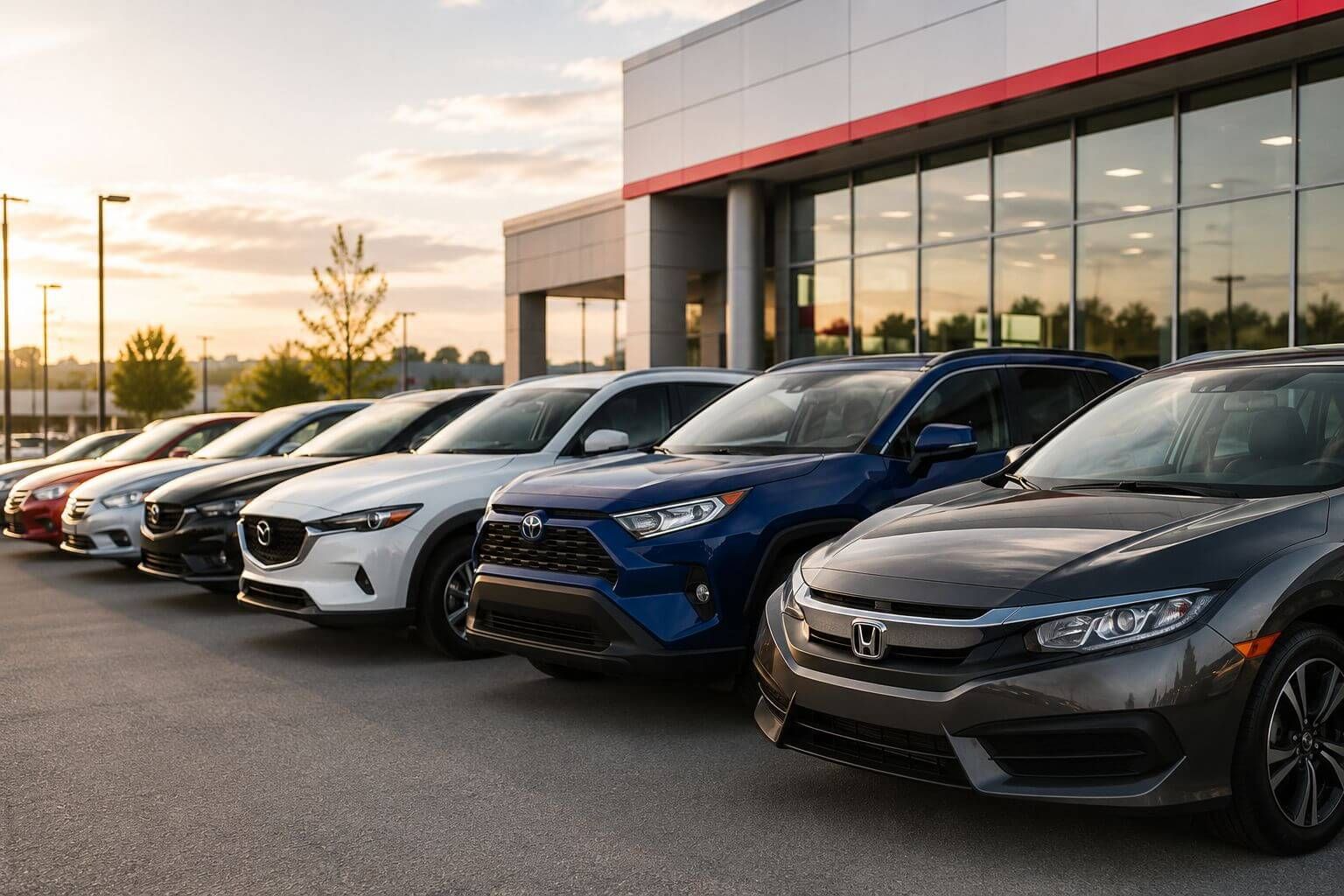
Not all used cars lose value at the same pace.
Some stay surprisingly strong on the resale market even after several years. Others drop faster than buyers expect, even when they seem similar on paper. That difference usually comes down to a mix of demand, depreciation, reliability reputation, ownership cost, condition, mileage, and vehicle history.
This matters for both buyers and sellers. If you understand why some used cars hold value better than others, you can make smarter decisions about what to buy, what to avoid overpaying for, and what factors actually support stronger resale value over time.
This guide explains the biggest reasons some used cars hold value better than others and how to use those signals when comparing vehicles.
Quick Answer
Some used cars hold value better because they combine strong demand with lower perceived risk.
The main reasons include:
- strong brand and model reputation
- high consumer demand in the used market
- lower depreciation from the start
- good reliability and ownership-cost reputation
- moderate mileage and strong condition
- clean title and accident history
- popular body style, trim, or powertrain
- balanced original pricing that keeps the vehicle affordable later
In short, used cars tend to hold value better when buyers still want them and feel confident owning them.
1. Strong Demand Supports Stronger Resale
One of the biggest reasons a used car holds value well is simple: people still want it.
A vehicle that stays popular in the used market usually keeps more pricing power than one that is harder to sell. Demand can come from practicality, fuel efficiency, family use, brand loyalty, styling, or how well the model fits current market needs.
This is one reason certain trucks, SUVs, hybrids, and well-known mainstream models often stay stronger than slower-moving niche vehicles. Kelley Blue Book’s 2026 Best Resale Value Awards also reflect this pattern by recognizing vehicles projected to retain the highest percentage of their original MSRP over five years. (kbb.com)
2. Some Vehicles Start With Better Depreciation Curves
Depreciation does not hit every vehicle equally.
Kelley Blue Book says the average 2026 model-year vehicle is expected to retain about 45% of its original value after five years, which means depreciation remains one of the biggest ownership costs for most vehicles. (mediaroom.kbb.com)
That average matters because vehicles that beat it tend to stand out in the used market. Some models lose value more slowly because buyers still trust the brand, want the configuration, and see the vehicle as a safe used purchase. Others fall faster because they were overpriced when new, face weaker demand later, or carry higher ownership concerns.
3. Reliability Reputation Has a Big Influence
Buyers pay more for vehicles they believe will be dependable.
Edmunds notes that brand reputation, condition, mileage, and cost of ownership all influence how quickly a car depreciates. (edmunds.com) A model with a strong reputation for reliability usually feels less risky to the next owner, which supports resale value.
This does not mean every individual vehicle from a respected brand will hold value perfectly. Condition and history still matter. But reputation does shape how confident the average buyer feels when comparing one used model against another.
4. Ownership Cost Affects Buyer Confidence
A used car is not judged only by purchase price. Buyers also think about what it will cost to own.
Vehicles with more manageable fuel cost, insurance burden, maintenance expectations, and repair risk often hold value better because they feel easier to live with. Edmunds specifically includes cost of ownership among the factors that influence depreciation and resale performance. (edmunds.com)
That is one reason some vehicles with a slightly higher price still stay strong in the used market: buyers believe the long-term ownership risk is lower.
5. Mileage Still Matters a Lot
Mileage remains one of the most important drivers of used-car value.
Higher mileage usually means more wear, more maintenance exposure, and less remaining service life in the eyes of the next buyer. Lower mileage usually supports stronger pricing, but only when it makes sense in context.
A vehicle with moderate, believable mileage and solid maintenance history often holds value better than one with suspiciously low mileage or obvious neglect. JD Power also emphasizes mileage as a core factor in trade-in and used valuation. (jdpower.com)
6. Condition Matters More Than Many Sellers Think
Two used cars with the same year and mileage can still be worth very different amounts if one has been cared for better.
Exterior damage, worn interior materials, poor tires, neglected maintenance, warning lights, or obvious cosmetic issues all weaken value because they raise questions about how the car was treated. Even when the flaws are fixable, buyers still use them as signals of risk.
Condition is one reason the strongest value-retention vehicles are usually not just popular models. They are popular models in clean, well-kept condition.
7. Accident History Can Reduce Value Even After Repairs
Accident history often affects value even if the vehicle has been repaired.
Kelley Blue Book’s diminished value guidance states that every reported accident reduces a car’s value in the marketplace, even if repairs return it to pre-accident condition. (kbb.com) That matters because the next buyer still sees added risk, whether the concern is structural quality, hidden damage, or future resale difficulty.
This is why a clean VIN check can support stronger resale confidence. A vehicle with no major title or accident red flags is often easier to price confidently than one with a more complicated background.
8. Clean Title and History Help Support Value
History matters because buyers care about what happened before they arrived.
A car with a clean title, consistent mileage history, no major theft concerns, and no severe title brands usually holds value better than a similar vehicle with salvage, rebuilt, or flood history. Even when two vehicles look similar in person, the cleaner history file often gives one of them much stronger resale support.
That is one reason many buyers and sellers use a VIN check or license plate lookup early in the process: background issues can change value quickly.
9. Original Price Positioning Can Help or Hurt Later Value
A vehicle’s original MSRP can shape how well it performs later in the used market.
Edmunds’ Q2 2025 used-car insights showed that vehicles originally priced between $10,000 and $20,000 held 77% of their value, while models that originally cost more than $100,000 retained just 57% in that same period. (edmunds.com)
That tells us something important: vehicles with lower or more balanced original pricing can be more insulated from dramatic value loss, while expensive luxury models often fall harder once they enter the used market.
10. Powertrain and Segment Trends Matter Too
Some categories simply perform better in the resale market than others.
Body style, fuel type, and vehicle segment all influence value retention. SUVs, trucks, and certain hybrids often benefit from strong mainstream demand. By contrast, some luxury vehicles, EVs, and niche models can depreciate faster depending on how the market is moving.
For example, Edmunds reported in 2025 that average 2022 model-year EVs maintained around 40% to 45% of their original value, versus almost 64% for 3-year-old conventional vehicles. (edmunds.com) That does not make used EVs bad buys, but it does show how segment-specific depreciation can vary.
What This Means for Buyers
If you are buying a used car, stronger value retention can be both good and bad.
It is good because it often points to a desirable, trusted vehicle. It can be bad because you may pay more upfront for that strength.
That is why buyers should ask two questions:
- does this vehicle hold value well because it is genuinely lower-risk and more desirable
- or am I paying a premium that no longer makes sense for my needs
Sometimes the best buy is the vehicle that holds value well. Other times, the best buy is the slightly weaker-retaining car that still meets your needs at a better price.
What This Means for Sellers and Trade-Ins
If you own a used car that still has strong demand, a clean history, good condition, and manageable mileage, you may be in a better resale position than you think.
If your vehicle has accident history, title issues, poor condition, or a segment that has fallen out of favor, the market may price that risk in quickly.
This is one reason owners should understand what their own vehicle history looks like before listing or trading it.
Final Takeaway
Some used cars hold value better than others because they stay desirable and feel safer to own from the next buyer’s point of view.
Strong demand, lower depreciation, good reliability reputation, manageable ownership cost, clean history, solid condition, and sensible mileage all help support value. Weak demand, high original pricing, accident history, title brands, and ownership-cost concerns usually push value down faster.
In short, resale strength is not random. It is the result of how the market balances demand against risk.
Frequently Asked Questions
Why do some used cars keep their value better than others?
They usually combine strong market demand with lower perceived risk. Buyers are more willing to pay for vehicles they trust and still want.
Does brand reputation affect used car value?
Yes. Brand and model reputation can influence buyer confidence, reliability expectations, and how quickly a vehicle depreciates. (edmunds.com)
Does accident history lower resale value?
Yes. Reported accident history usually lowers value even after repairs because buyers still see added risk. (kbb.com)
Do cheaper cars always hold value better?
Not always, but lower-priced vehicles can sometimes retain value better than very expensive models because they remain more affordable to the used-market buyer. (edmunds.com)
Does a clean VIN history help a car hold value?
Yes. Clean title and history records generally support stronger buyer confidence and better resale appeal.