

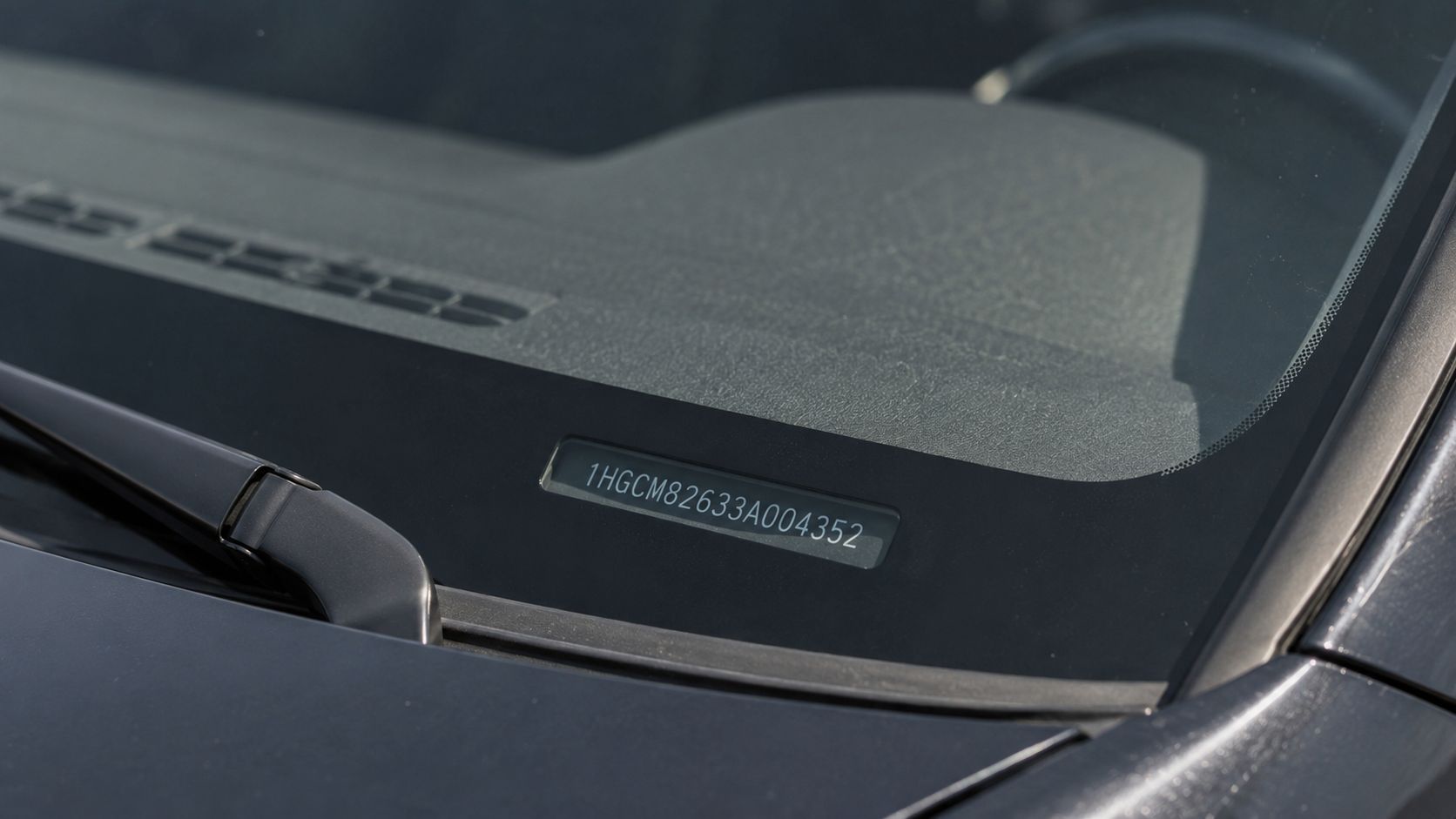
If you are researching a used car for the first time, one of the most important details you can learn to recognize is the VIN. It looks simple at first glance, just a string of numbers and letters, but it plays a central role in vehicle identity, ownership research, title checks, history reports, recalls, and fraud prevention.
For beginners, the VIN is often treated like a minor technical detail. In reality, it is one of the most useful tools in the entire used car buying process. A buyer can overlook color, trim, or feature details and still recover. Overlooking the VIN is much riskier because it affects whether the vehicle, the paperwork, and the records all point to the same car.
This guide explains what a VIN is, why it matters, where to find it, what it can help confirm, and why every buyer should review it before moving forward with a purchase.
What is a VIN?
VIN stands for Vehicle Identification Number. It is a unique 17-character code assigned to a specific vehicle. You can think of it as the car’s identity number.
No two legitimate vehicles should share the same VIN. That is why the VIN is so useful in vehicle research. It helps distinguish one vehicle from every other one on the road, even if two cars are the same make, model, year, and color.
The VIN is used across many parts of the automotive system, including:
- vehicle registration
- title records
- insurance records
- recall databases
- vehicle history reports
- dealership and auction systems
- parts lookup and specification tools
That means the VIN is not just a label attached to the car. It is the key that connects the vehicle to its paper trail and data trail.
Why the VIN matters so much
The VIN matters because almost every serious vehicle check begins with it. If the VIN is wrong, missing, mismatched, or suspicious, the rest of your research becomes less reliable.
For example, a buyer might run a history report, review a title document, or check for recalls. But if the VIN on the paperwork does not match the VIN physically attached to the vehicle, then the buyer may be looking at the wrong records entirely.
This is why the VIN matters at a practical level. It helps answer questions like:
- Is this the same vehicle being advertised?
- Does the title belong to this exact car?
- Do the history records match the actual vehicle?
- Is the model year the seller claims correct?
- Are there any red flags in the vehicle’s identity?
A VIN is not just a technical number. It is the foundation for trust in used car research.
What the 17-character VIN can tell you
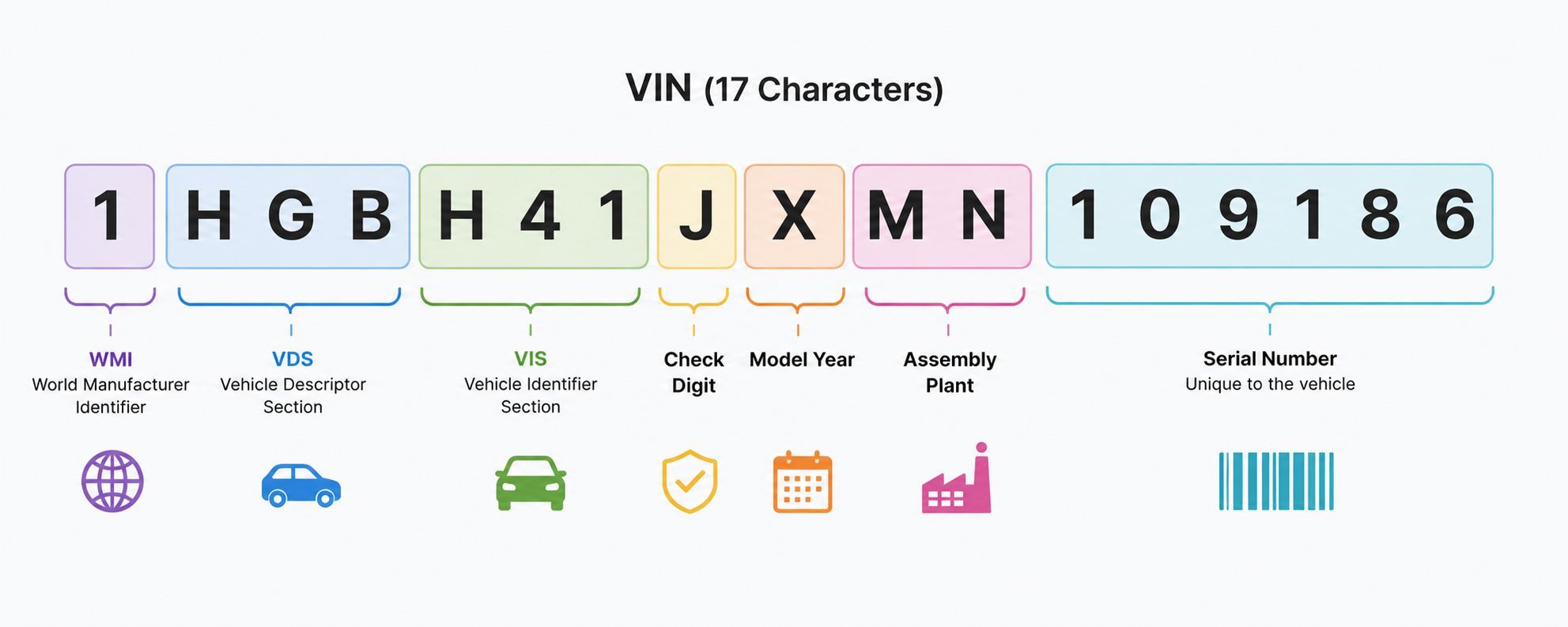
A VIN is structured in a way that carries useful information about the vehicle. You do not need to memorize every part of it, but it helps to know that it is not random.
In general, the VIN can help identify:
- manufacturer
- country or region of manufacture
- vehicle attributes such as body style or engine-related data
- model year
- assembly plant
- production sequence
This means a VIN can help confirm whether the car matches the seller’s description. If a seller claims the vehicle is a certain year or trim level, but the VIN suggests otherwise, that discrepancy deserves attention.
For beginners, the most important point is not decoding every character manually. The most important point is understanding that the VIN should consistently identify the same vehicle across the car itself, the title, the registration, and any records you review.
Where to find the VIN on a vehicle
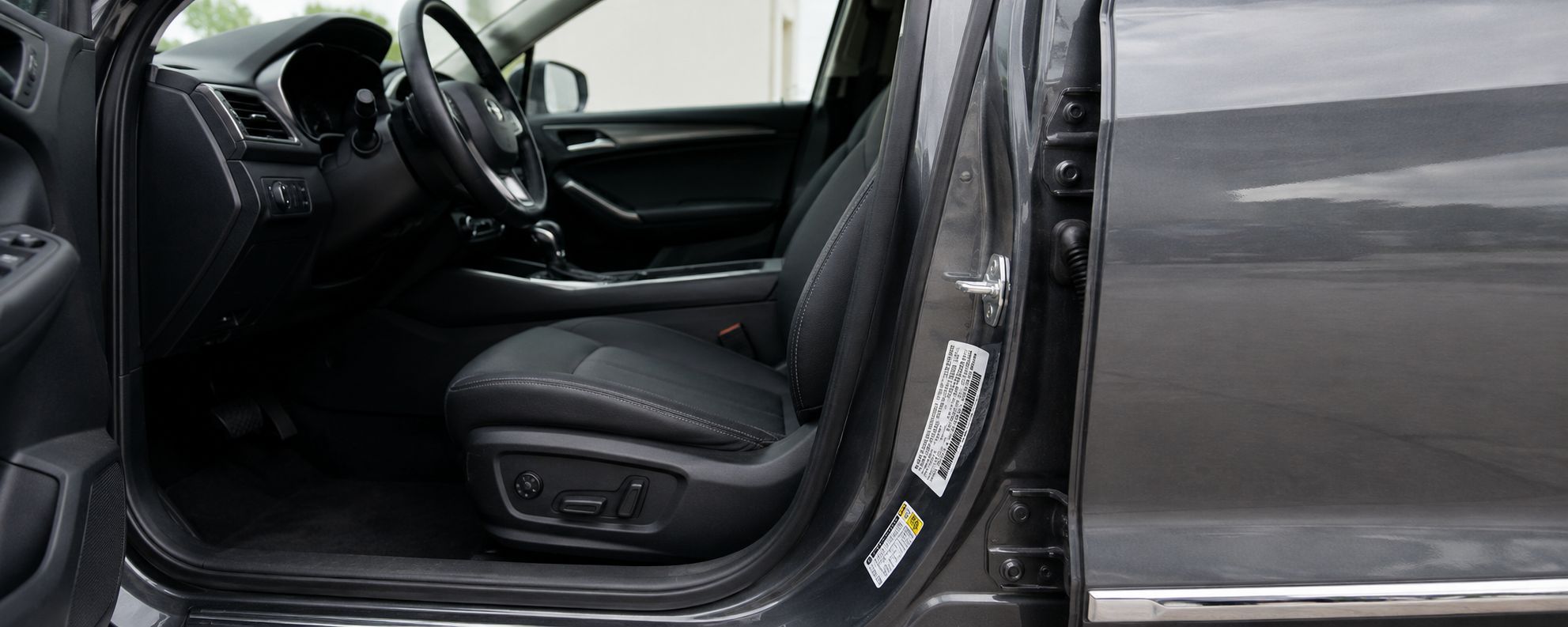
The VIN can usually be found in several places. Buyers should compare more than one location, especially when researching a used vehicle.
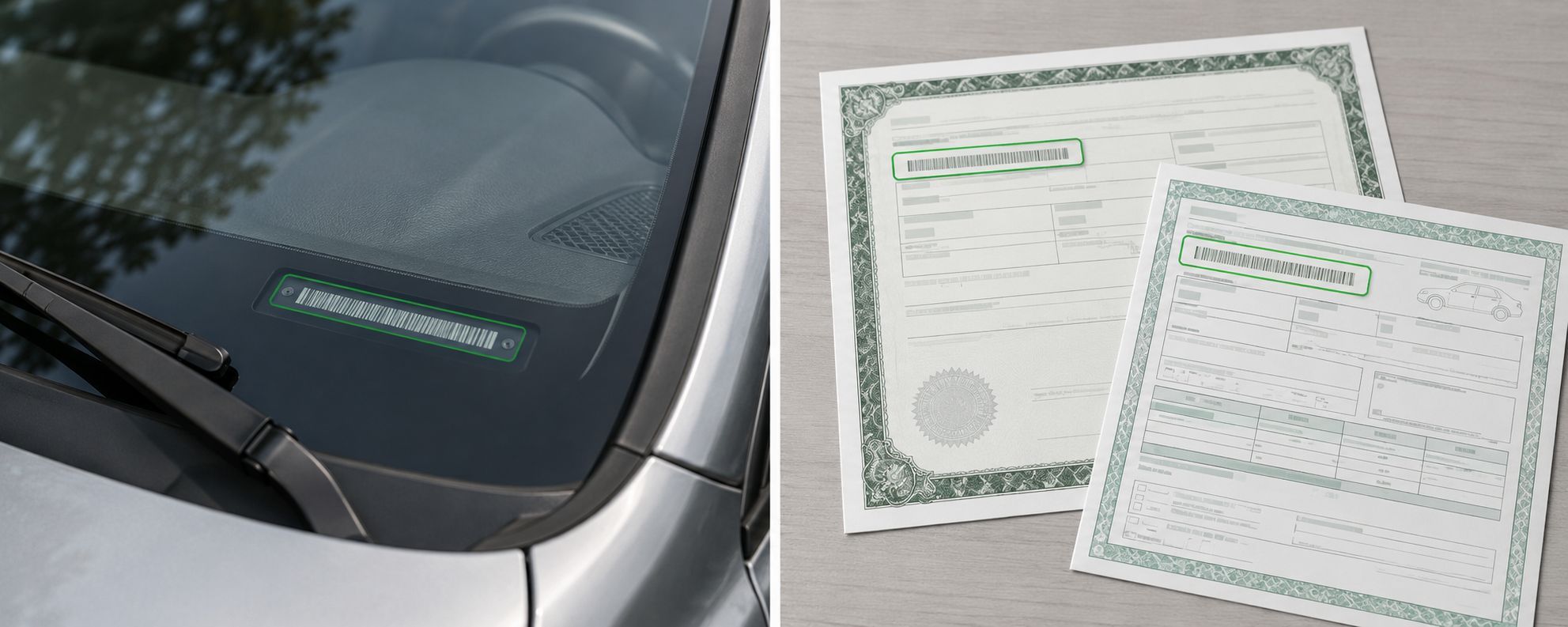
Common VIN locations include:
- on the dashboard near the windshield on the driver’s side
- on the driver-side door jamb label
- on the vehicle title
- on the registration documents
- on insurance paperwork
- inside vehicle history and service-related records
When checking a used car, a buyer should compare the VIN on the physical vehicle with the VIN on the documents. Those should match exactly.
Even a small mismatch matters. A single wrong character can mean a clerical error, but it can also point to something more serious such as bad paperwork, identity confusion, or fraud.
Why the VIN matters in used car buying
A used car buyer is at a disadvantage when relying only on appearance and seller claims. A vehicle may look clean, drive well, and be presented confidently, but that does not automatically mean the paperwork and records are clean.
The VIN helps buyers move beyond presentation and into verification.
Here is why that matters:
1. It helps confirm vehicle identity
Before spending money on inspections or deposits, you want to know that the vehicle you are researching is the same vehicle being sold. The VIN helps confirm that.
2. It supports title and history checks
Vehicle history reports, title reviews, recall searches, and other checks depend on the VIN. Without it, meaningful verification becomes harder.
3. It helps spot inconsistencies early
If the VIN on the dashboard does not match the title, that is a problem worth stopping for. Catching that early can save a buyer from much bigger trouble later.
4. It improves confidence in the buying process
A buyer who verifies the VIN early is less likely to rely on guesses or assumptions later. That makes the rest of the research process much stronger.
What a VIN can help you check
Once you have the correct VIN, it becomes much easier to research the vehicle properly. Depending on the service or database being used, the VIN can help support checks involving:
- title history
- accident-related records
- theft records
- mileage-related concerns
- recalls and safety issues
- vehicle specifications
- ownership-related information
The exact information available can vary depending on the source, but the VIN is what allows those checks to connect to the correct vehicle.
This is one reason beginners should get comfortable with VIN-based research early. It gives structure to the buying process and helps prevent decisions based purely on emotion or sales pressure.
Why VIN mismatches are a red flag
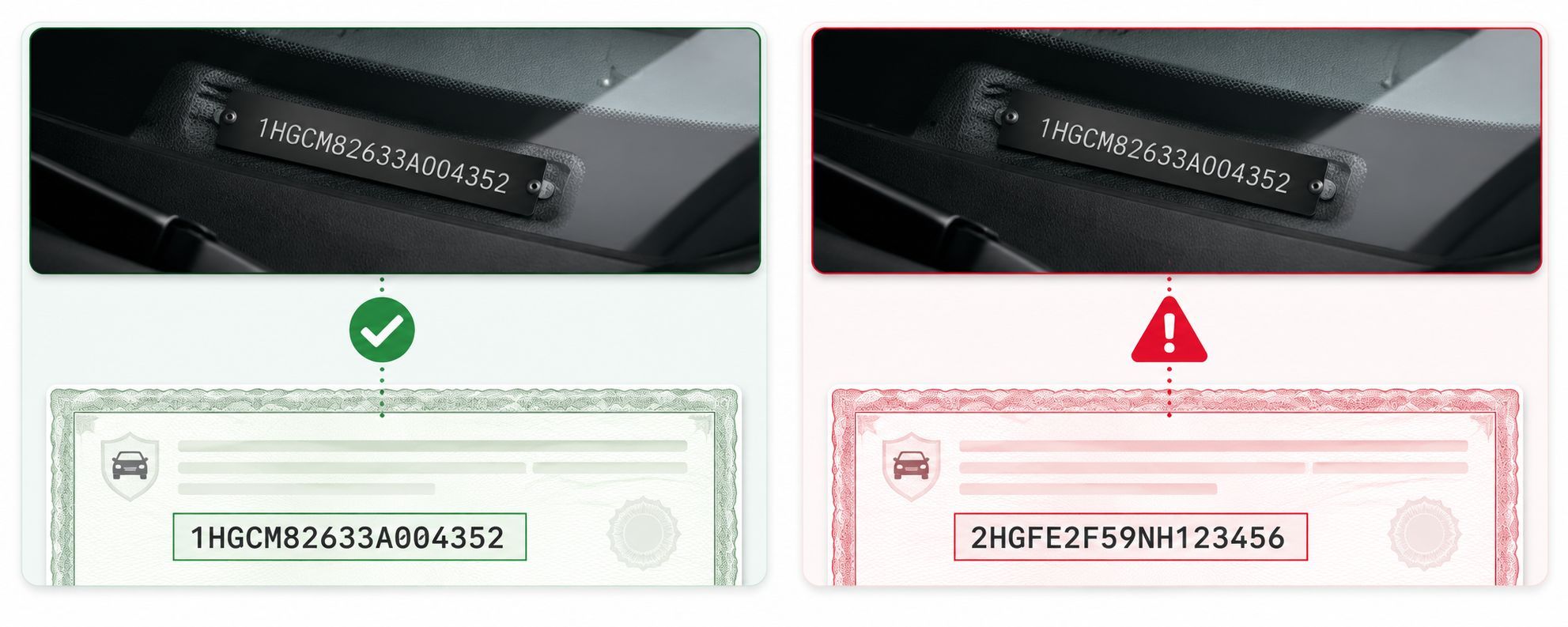
A VIN mismatch happens when the VIN in one place does not match the VIN somewhere else. For example:
- the dashboard VIN does not match the title
- the listing VIN does not match the door jamb VIN
- the paperwork shows a different sequence than the car itself
Not every mismatch is fraud, but every mismatch deserves investigation.
A mismatch may suggest:
- paperwork errors
- seller carelessness
- registration or title issues
- problems with the vehicle’s identity
- possible VIN cloning or other fraud risks
For a beginner, the safest rule is simple: do not ignore VIN inconsistencies just because the rest of the deal seems attractive.
The VIN and fraud prevention
One of the biggest reasons the VIN matters is fraud prevention.
Used car scams often depend on buyers moving too quickly, skipping details, or trusting the wrong documentation. The VIN helps slow the process down and forces the buyer to verify that the records actually belong to the vehicle in front of them.
This matters in situations involving:
- title washing concerns
- cloned VINs
- odometer-related fraud clues
- questionable ownership claims
- missing or inconsistent documents
The VIN alone does not solve every problem, but it is one of the strongest starting points for detecting whether something feels off.
What a VIN cannot tell you by itself
A VIN is powerful, but it has limits. It does not tell you everything on its own.
A VIN by itself does not physically inspect the car. It does not tell you how well the vehicle was maintained. It does not guarantee there are no hidden mechanical problems. It also does not replace a professional inspection.
This is why a smart buyer treats the VIN as a starting point, not the only step.
The best approach is to use the VIN together with:
- vehicle history research
- document review
- seller questions
- recall checks
- in-person inspection
- test drive
That combination is what creates a stronger buying decision.
Common beginner mistakes involving the VIN
Many first-time buyers make similar VIN-related mistakes. These include:
Not checking the VIN until late in the process
Some buyers wait until they are already emotionally invested in the car. It is better to verify the VIN early.
Looking at only one VIN location
A buyer may glance at the dashboard VIN but never compare it against the title or registration. That is a missed opportunity to catch inconsistencies.
Assuming the VIN is only for mechanics or dealers
The VIN is just as useful for ordinary buyers. It is not expert-only information.
Treating the VIN as a formality
The VIN is not just another box to check. It is central to confirming that the vehicle and its records match.
A simple beginner approach to using the VIN
If you are new to used car buying, here is a simple way to use the VIN correctly:
- Get the VIN from the listing or seller early.
- Compare it to the VIN on the vehicle itself.
- Match it with the title and registration documents.
- Use it to review relevant history, recall, and vehicle information.
- Pause the process if any mismatch or strange detail appears.
This process does not take much time, but it can prevent major mistakes.
Why every buyer should learn this early
The VIN is one of the first truly useful concepts a beginner should understand because it connects so many other parts of vehicle research. Once you understand what the VIN does, the rest of the used car process becomes easier to organize.
Instead of relying on the seller’s summary, you begin working from the vehicle’s actual identity. That changes the quality of the buying process immediately.
It also builds better habits. Buyers who check the VIN early are usually more likely to review documents carefully, question inconsistencies, and use history data more effectively.
Final takeaway
A VIN is not just a number on a dashboard. It is the identity anchor of the vehicle. It helps buyers confirm whether the car, the documents, and the records all belong together.
That is why the VIN matters.
For beginners, learning to recognize and use the VIN is one of the smartest first steps in used car research. It helps reduce confusion, supports better verification, and creates a safer path through the buying process.
If you are buying a used car, do not treat the VIN as a minor detail. Treat it as one of the first things you verify, because once the vehicle’s identity is clear, every other check becomes more meaningful.
Frequently asked questions
Is a VIN the same as a license plate number?
No. A license plate can change over time, but the VIN is tied to the vehicle itself.
Is every VIN 17 characters?
Modern VINs are typically 17 characters. Older vehicles may follow different formats depending on age and manufacturing standards.
Can a VIN tell me if a car has problems?
The VIN itself does not describe every problem, but it helps connect the vehicle to records and checks that may reveal important issues.
Should I check the VIN before meeting the seller?
Yes. If possible, get the VIN early so you can begin research before investing more time in the listing.
What should I do if the VIN does not match the paperwork?
Pause the process and ask for clarification. Do not move forward until the mismatch is fully explained and verified.